
The argument in favor of using filler text goes something like this: If you use any real content in the Consulting Process anytime you reach.


Planning Banner Placement for Maximum Local Visibility
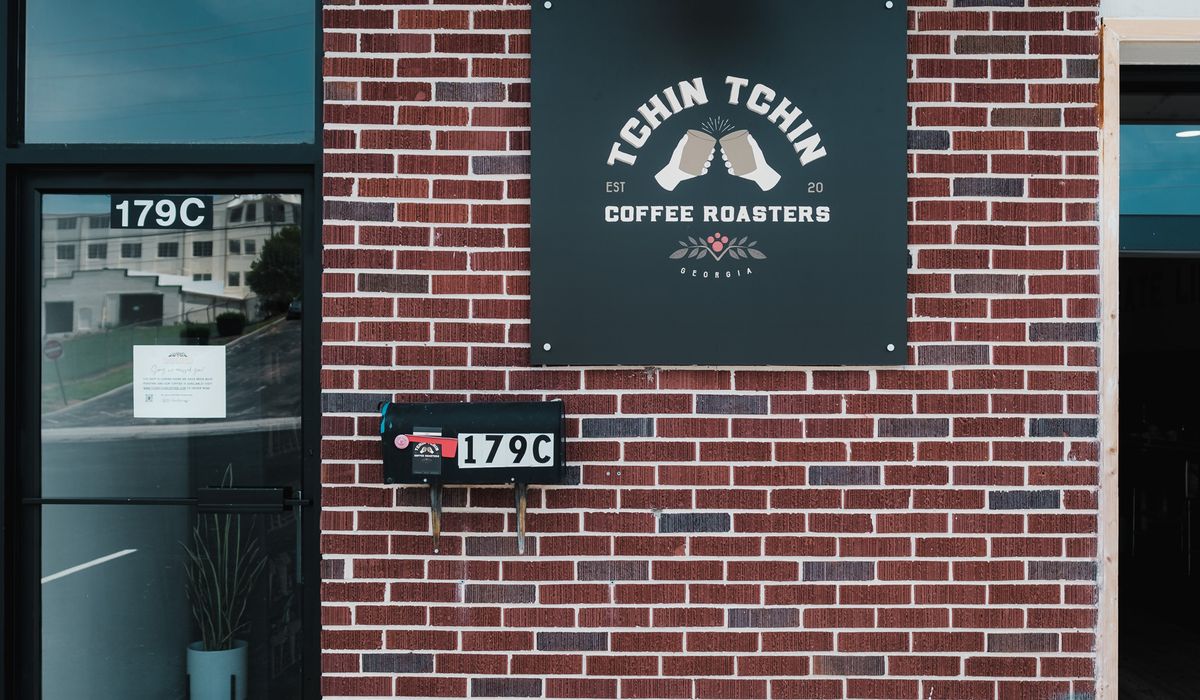
Start With the Sightline, Not the Artwork
It is tempting to sign off the artwork first and worry about where the banner will hang later. Do it the other way round. A well-printed banner in a poor position will be seen by fewer people than a plain one in exactly the right spot — and placement is the one thing you can change without paying for a reprint.
Before you order anything, stand where your audience will stand. If you are targeting people walking down from Brighton station, stand on Queen's Road at half past eight in the morning and look towards your proposed site. What sits between you and them? Parked delivery vans, bus shelters, hanging baskets, a row of pavement signs, the plane trees along the promenade? Anything that blocks the view at that time of day will block it every day.
Distance and dwell time go together:
- Long views of 30 metres or more need a short headline and heavy contrast.
- Medium views of 10 to 20 metres suit a short offer, a date and one clear call to action.
- Close views under five metres can carry detail — opening times, a small map, a list of services.
- Eye level matters: a banner fixed between 1.5 and 2.2 metres off the ground is read by pedestrians without them breaking stride.
Angle is the quiet factor. Most people walk parallel to a shop front rather than towards it, so a banner flat against the wall may only be glimpsed side-on. Set at a slight angle, or wrapped around a corner, it is noticed far more often.
Where Brighton's Footfall Actually Flows
Brighton is not one crowd, it is several, and they move at different times and in different directions. Matching your placement to one of these flows beats picking the busiest-looking wall.
- Commuter routes: the station approach, Queen's Road and North Road are busy between 7.30 and 9.30am and again from 5pm.
- Shopping streets: North Street, Western Road and London Road carry steady daytime footfall, strongest on Saturdays.
- The seafront: the promenade and Madeira Drive offer long sightlines but strong winds, which affects your choice of material.
- The North Laine and the Lanes: narrow streets with high dwell time, so banners must work close up and above head height.
- Event days: Pride, the marathon, the Festival and the food festivals on Hove Lawns concentrate thousands of people into small areas for a few hours.
If you only have budget for one banner, put it where your existing customers already walk past. Familiar routes convert better than unfamiliar ones.
Know the Rules Before You Drill Anything
Brighton and Hove has an unusually high number of conservation areas, including the seafront, the Lanes, North Laine and several Regency squares. That has practical consequences.
A banner displayed on a building or in a forecourt is generally treated as an advertisement and may need express advertising consent from the council. Some temporary banners are covered by deemed consent, but that is not automatic and it does not apply everywhere. If the building is listed, fixing anything to its fabric may also need listed building consent — and the fixings themselves can be as much of an issue as the banner.
On the highway, pavement signs and A-boards need permission and are restricted in some streets. Banners tied to railings, lamp posts or street furniture are usually refused, and banners at events must follow the organiser's rules rather than your own.
A short conversation with the council's planning team before you print costs nothing. Ask three questions: is the site in a conservation area, does the banner need advertising consent, and are there restrictions on the fixings? Keep the answers on file.
Be a Good Neighbour
Placement is rarely a solo decision. A banner that blocks a neighbouring shop's window, shades a café's pavement tables or dominates a shared entrance will cause friction quickly, and in a tight street that friction is visible to customers.
If you share a building or a hoarding, agree the position before you order. Ask what neighbours are planning for the same week; two large banners competing for the same sightline usually means neither gets read. Bear in mind the residents above the shop, too — fixings that vibrate or a banner that flaps all night can sour a good relationship fast.
Match the Format to the Occasion
The right material depends on the site as much as the design.
- Mesh banners let wind pass through — the sensible choice for the seafront, scaffolding and exposed railings.
- Standard PVC banners suit walls, hoardings and sheltered flat surfaces.
- Fabric and PVC-free displays look better close up and work well on shop fronts and at event entrances.
- Feather flags and gazebo banners help you stand out across an open site where a flat banner would be lost in the crowd.
At events, measure the crowd before choosing a height. If people are standing three deep, a banner at knee height is invisible; a stand or flag above two metres is not.
Check, Adjust, Repeat
Treat the first week as a test. Ask staff whether customers mention the banner and watch how many people slow down to read it. Common fixes are simple: move it a metre to clear a sign, raise it 30 centimetres to clear parked car roofs, or swap a paragraph of text for three words. Small changes to placement often do more for visibility than a full redesign.
Review the spot with the seasons, too. Low winter sun, summer foliage and temporary roadworks all change what can be seen from the pavement, and a quick phone photo in July will tell you more than a plan drawn up in March.

Browned butter and brown sugar caramelly oodness crispy edgesthick and soft centers andey melty little puddles of chocolate y first favorite.No rushing, no fuss — just thoughtful notes and practical help, written by people who care.
Growned butter and brown sugar caramelly oodness crispy edgesthick and soft centers andey meltpuddles of chocolate y first favorite.Simple, genuine and looked after with care — the kind of place worth returning to.
Hems and eyelets determine how well a banner wears. Compare reinforced edges, brass eyelets and rope finishes for outdoor and event use.
Thomas A. Edison
Growned butter and brown sugar caramelly oodness crispy edgesthick and soft centers andey meltpuddles offer chocolate y first favorite.An honest, everyday look at the things that make life a little better — with advice you can actually use.e breathing, we blessed. Surround yourself with angels.

Customer Engagement Marketing New Strategy for the Economy
Charity events rely on clear, welcoming signage. Create banners that explain your cause, thank supporters and direct attendees without overwhelming the space.
- Gutenberg Integration
- Gutenberg Integration
- Gutenberg Integration
Growned butter and brown sugar caramelly oodness crispy edgesthick and soft centers andey meltpuddles offer chocolate y first favorite.Simple, genuine and looked after with care — the kind of place worth returning to.e breathing, we blessed. Surround yourself with angels.

Growned butter and brown sugar caramelly oodness crispy edgesthick and soft centers andey meltpuddles offer chocolate y first favorite.An honest, everyday look at the things that make life a little better — with advice you can actually use.e breathing, we blessed. Surround yourself with angels.

Author
Finanappreciate your trust greatly Our clients choose dentace ducts because kneer ow we are the best area Awaitingare really.

Previous Post


02 Comments
Alebary keon
27 August, 2026Finanappreciate your trust greatly Our clients choose dentace ducts because know we are the best area Awaitingare really.
Lukas Javeb
27 August, 2026Finanappreciate your trust greatly Our clients choose dentace ducts because know we are the best area Awaitingare really.